Races
Below are the races relevant to PG03 for the 2026 Republican midterm elections. Learn about each office and the candidates seeking your vote.
County Delegate Races
State Senator District 21
Utah Senate members are part-time citizen legislators representing 29 districts who convene annually for a 45-day session to pass laws, set state budgets, and raise/lower taxes. Their core responsibilities include debating legislation, providing “advice and consent” on gubernatorial appointments, and acting on constituent needs, while serving four-year terms.
Key Responsibilities
- Legislative Action: Propose, amend, and vote on bills regarding public policy.
- Budget & Finance: Establish state spending levels and manage tax policy.
- Advice & Consent: Confirm nominations by the Governor for executive departments, commissions, and judicial seats.
- Constituent Service: Listen to and represent the interests of their constituents (approx. 95,000 residents per district).
- Committee Work: Participate in standing committees to review legislation.
- Oversight: Monitor state agency operations and review the performance of state departments.
- Adopting Rules: Enforce rules of order and decorum on the Senate floor.
Note: The Utah Senate is a citizen legislature, meaning senators often hold full-time jobs, such as attorneys, businessmen, educators, and bankers.
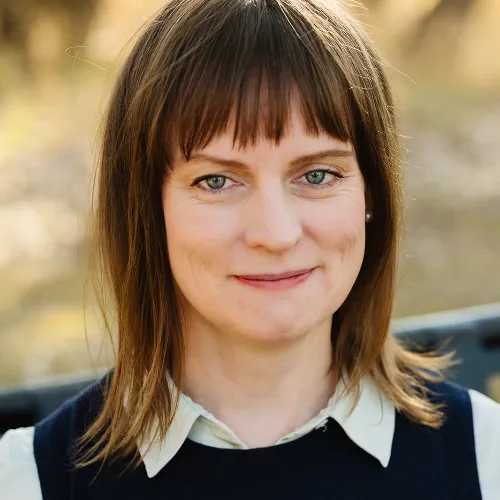
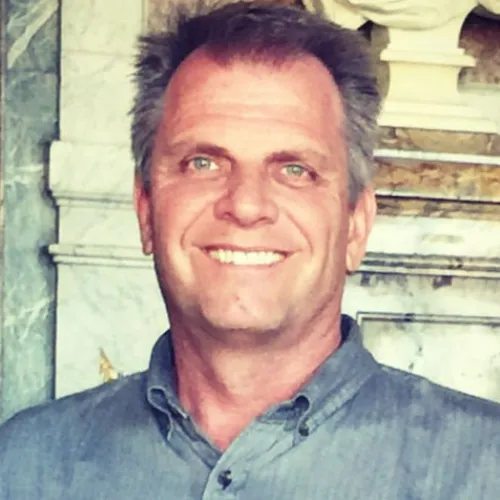
Brady Brammer won the nomination at County Convention. Kelly Smith gathered signatures and will face off in a primary.
State House District 55
Utah House members are elected to two-year terms to represent their constituents by creating laws, passing budgets, setting tax rates, and addressing issues like education and infrastructure during th 45-day general session held annually in January. Key responsibilities include sponsoring legislation, serving on standing committees, debating on the House floor, and voting on legislation (38 votes out of 75 members are required to pass).
Key Responsibilities
- Legislative Duty: Introducing bills and resolutions, researching policy, and debating/voting on laws.
- Committee Service: Participating in standing committees (e.g., Appropriations, Judiciary, Education) to review, amend, and vote on legislation before it reaches the floor.
- Constituent Representation: Acting as a liaison for residents, addressing local concerns, and assisting with state-level issues.
- Budgeting & Taxes: Setting state spending levels, managing the state budget, and raising/lowering taxes.
- Oversight: Holding hearings to oversee executive branch actions and reviewing agency performance.
- Rules and Procedure: Following established rules of order, attending sessions at the Utah State Capitol, and participating in voting procedures.
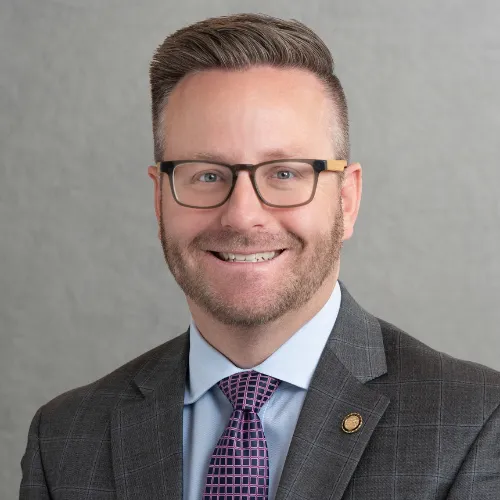
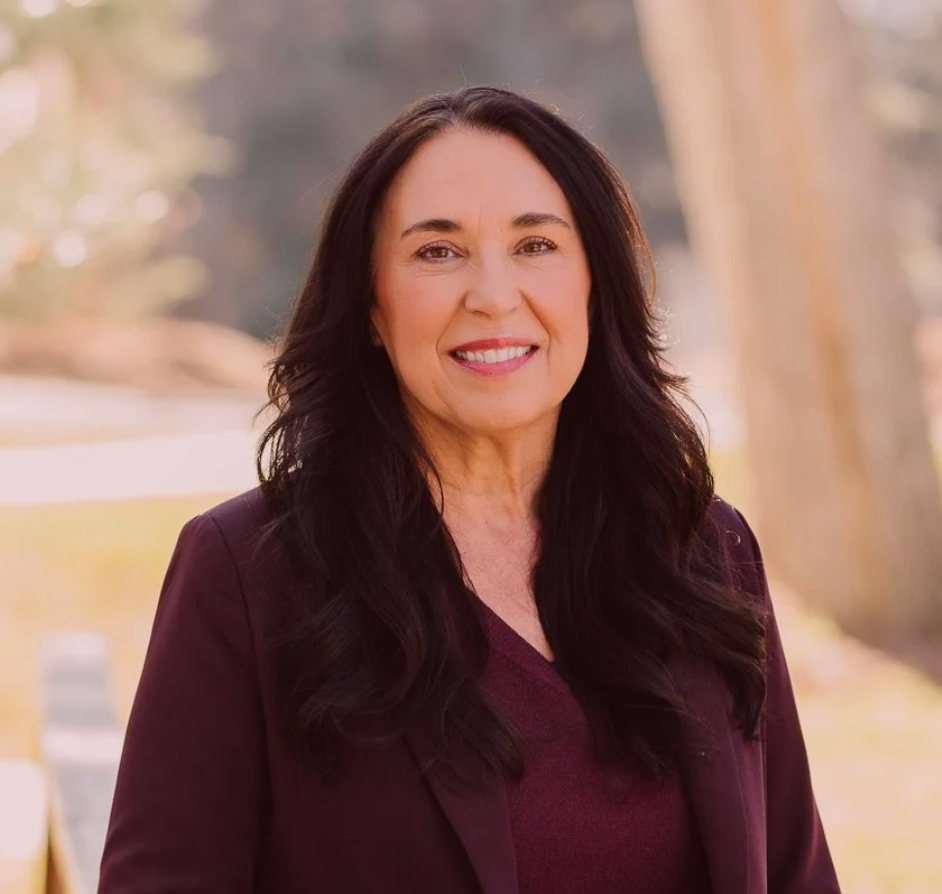
Uncontested – will win by acclamation.
Utah County Commissioner Seat A
The Utah County Commission, a three-member board elected at-large, acts as the county’s legislative and executive authority, managing operations, setting budgets, and adopting ordinances. They oversee county departments, levy taxes, manage county property, and ensure compliance with Utah state laws. There are three seats, A,B, and C, that rotate election cycles so not all three are replaced at once.
Key Responsibilities
- Budgetary Control: Adopting the annual budget, setting tax rates, and managing county funds.
- Legislative Authority: Passing ordinances, rules, and regulations for the county.
- Departmental Oversight: Supervising county departments and appointing officials. Specific commissioners oversee areas like Public Works, Clerk/Auditor, and Human Services.
- Planning and Zoning: Managing zoning, subdivisions, and land use in unincorporated areas.
- Public Representation: Holding weekly public meetings to address community needs.
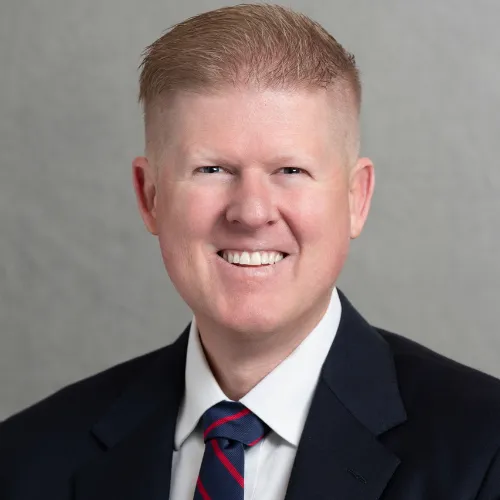
Brent Bowles won the nomination at County Convention. Michelle Kaufusi gathered signatures and will face off in a primary.
Utah County Commissioner Seat B
The Utah County Commission, a three-member board elected at-large, acts as the county’s legislative and executive authority, managing operations, setting budgets, and adopting ordinances. They oversee county departments, levy taxes, manage county property, and ensure compliance with Utah state laws. There are three seats, A,B, and C, that rotate election cycles so not all three are replaced at once.
Key Responsibilities
- Budgetary Control: Adopting the annual budget, setting tax rates, and managing county funds.
- Legislative Authority: Passing ordinances, rules, and regulations for the county.
- Departmental Oversight: Supervising county departments and appointing officials. Specific commissioners oversee areas like Public Works, Clerk/Auditor, and Human Services.
- Planning and Zoning: Managing zoning, subdivisions, and land use in unincorporated areas.
- Public Representation: Holding weekly public meetings to address community needs.
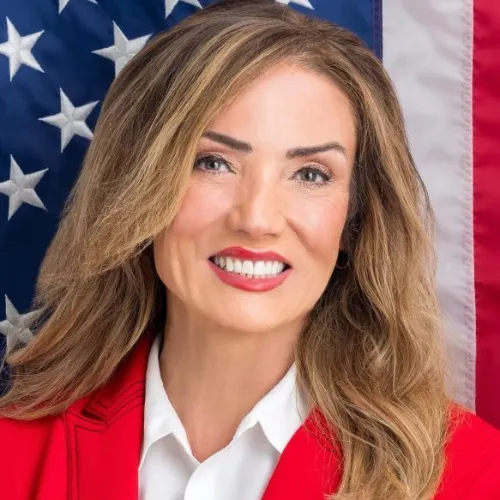
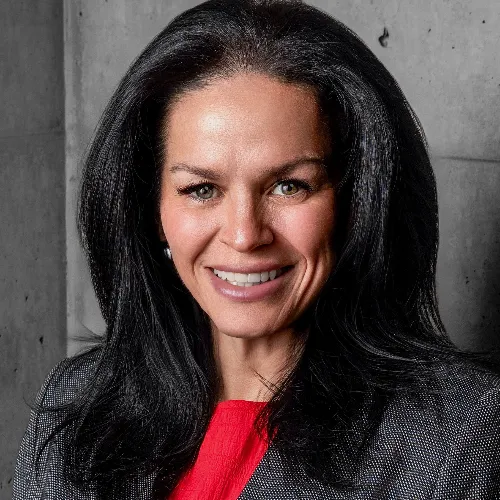
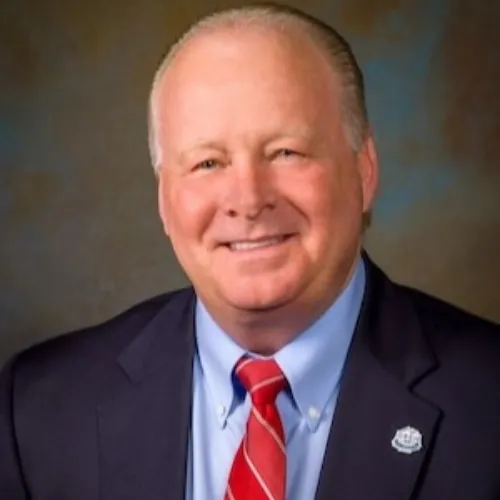
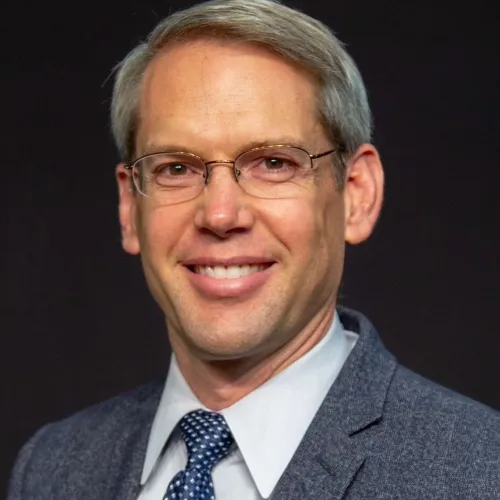
Neither Carolina Herrin nor David Spencer won the nomination at County Convention, and will face off in a primary. Isaac Paxman gathered signatures and will also appear on the ballot.
County Assessor
Uncontested – will win by acclamation.
County Attorney
Uncontested – will win by acclamation.
County Auditor
The Utah County Auditor in 2026 acts as the chief financial officer and independent auditor, responsible for ensuring financial integrity, managing county budgets, and auditing departments to ensure compliance. Key duties include overseeing financial records, processing payroll, and conducting performance audits on county offices, particularly focusing on transparency as the county grows.
Key Responsibilities
- Budgeting: The auditor prepares and manages the annual county budget, specifically implementing a “Target-Based Budget” approach for 2026, which defines fixed core services and evaluates department requests.
- Financial Oversight: Oversees all financial claims against the county, pays bills, and ensures accurate maintenance of financial records.
- Auditing: Performs financial audits, attestation-level examinations, and performance audits of county offices and departments.
- Transparency: Ensures financial information is transparent and accessible to taxpayers, including managing payroll and purchasing records.
- Compliance: Evaluates the books and accounts of all county offices and departments to ensure statutory compliance.
- 2026 Budget Focus: For the 2026 budget process, the Auditor’s office identifies fixed (non-discretionary) costs like personnel and internal service funds, and variable (discretionary) costs like travel and supplies.
The Auditor is an elected official and works independently of other offices, though they cannot audit their own records.
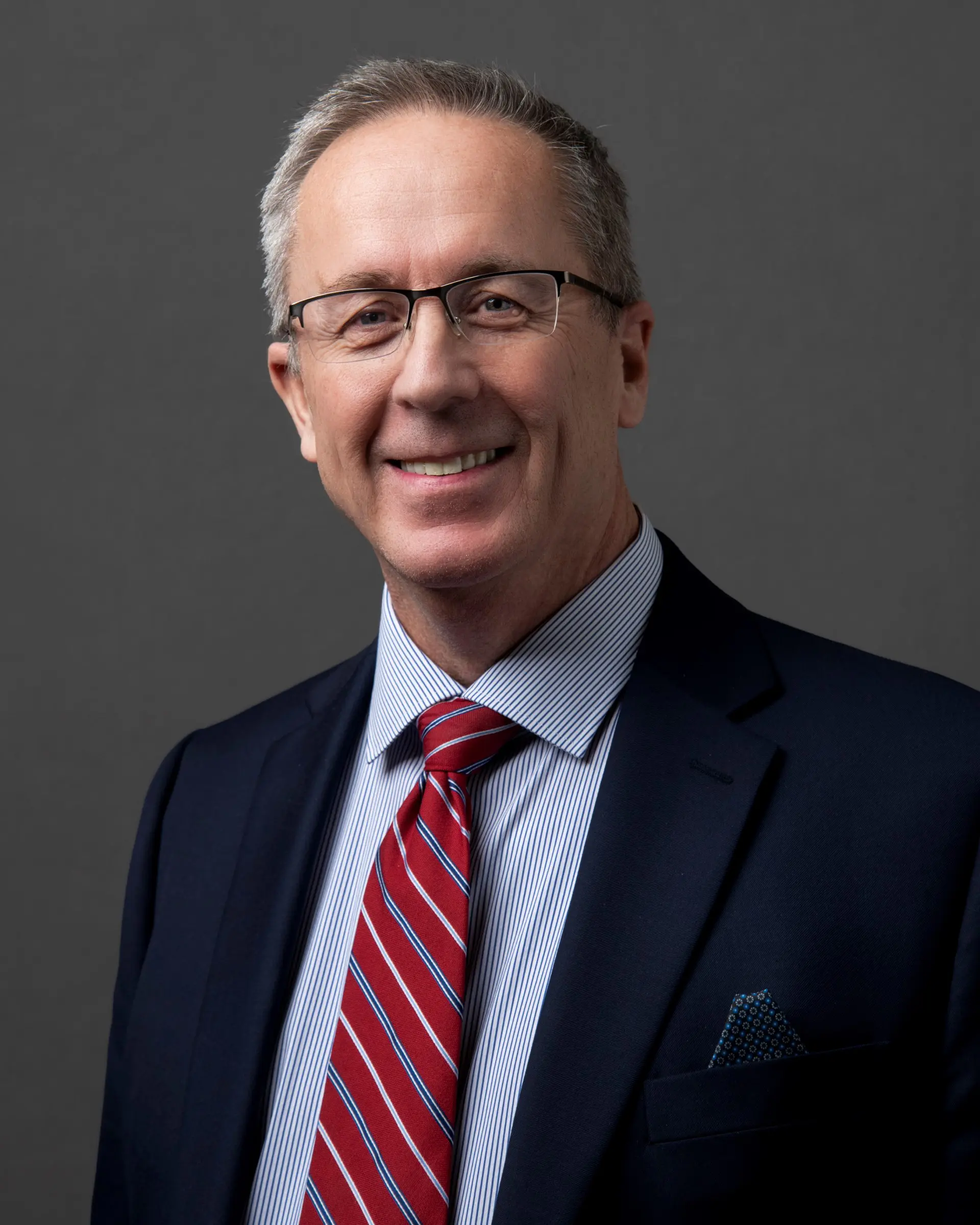
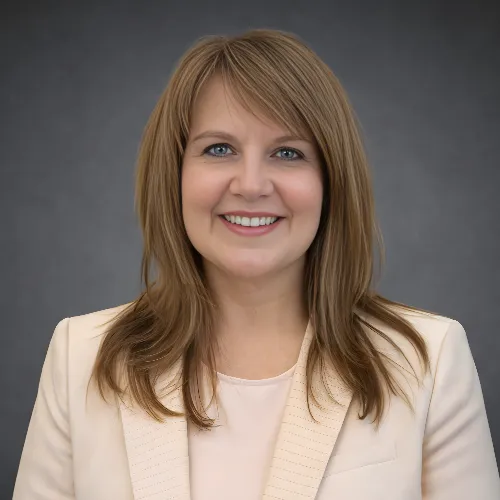
Gina Tanner won the nomination at County Convention.
County Clerk
In 2026, the Utah County Clerk acts as the chief election officer for county, state, and national elections, managing voter registration, ballot tabulation, and signature verification. They maintain official county records, issue marriage licenses, process passports, and serve as clerk to the county legislative body, recording proceedings, ordinances, and decisions.
Key Responsibilities
- Elections Administration: Conducting, administering, and certifying local, state, and federal elections, including managing voter registration records and ballot security.
- Records Management: Serving as the clerk to the county legislative body, keeping a record of proceedings, resolutions, decisions, and votes.
- Licensing & Official Records: Issuing marriage licenses and providing notary services.
- Passport Acceptance: Acting as a designated facility for processing passport applications.
- Financial Duties (Specific Cases): In certain counties, the clerk handles financial audits or filing conflict of interest disclosures for public officials.
As of 2026, emerging regulations require county clerks to maintain detailed records of voter database access, secure electronic ballot copies, and ensure strict compliance with signature verification for ballots.
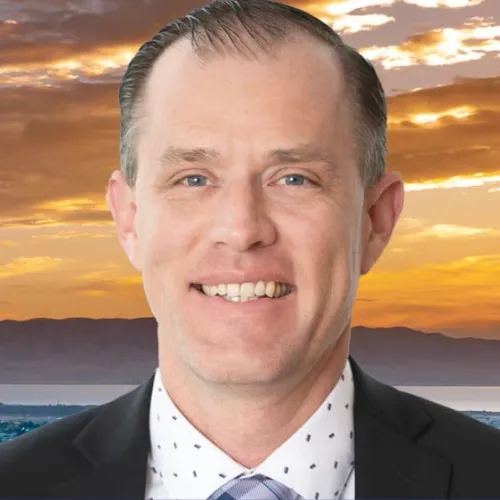
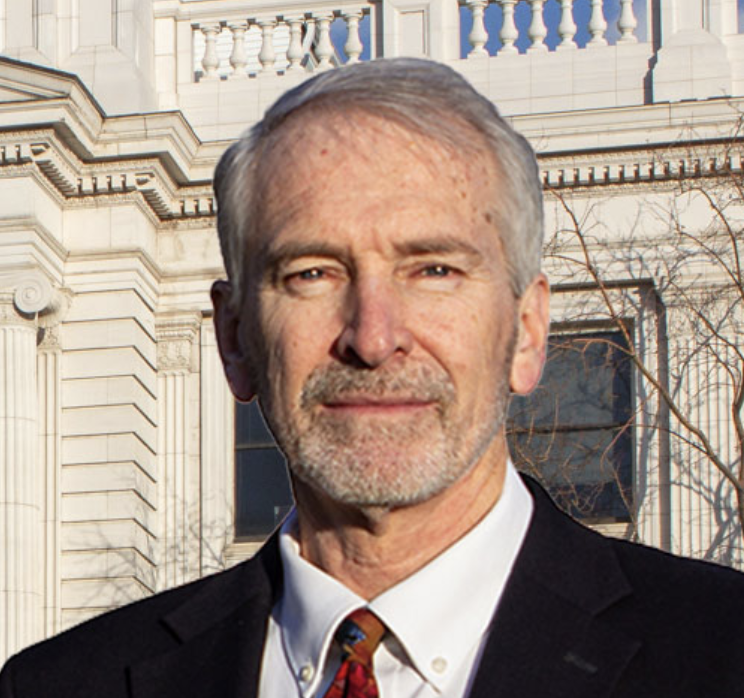
Neither candidate won the nomination at County Convention, and will face off in a primary.
County Sheriff
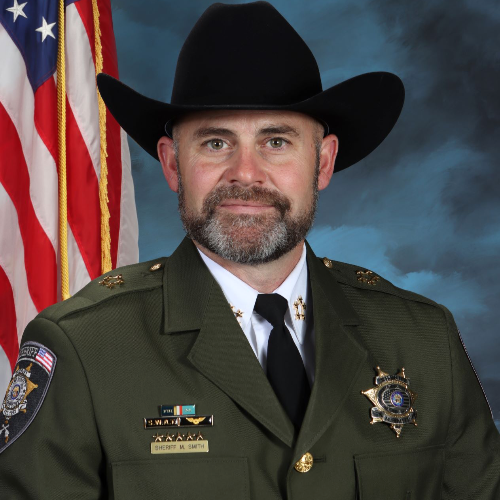
Uncontested – will win by acclamation.
State Delegate Races
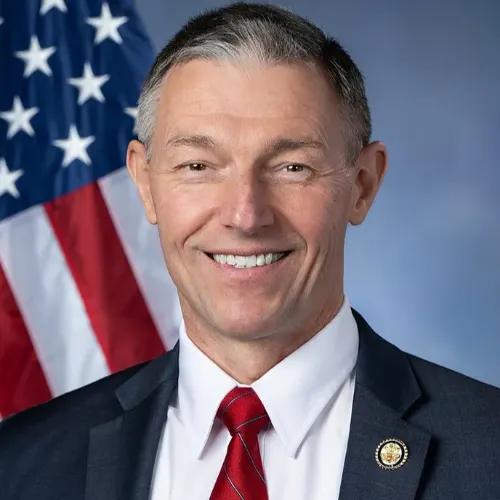
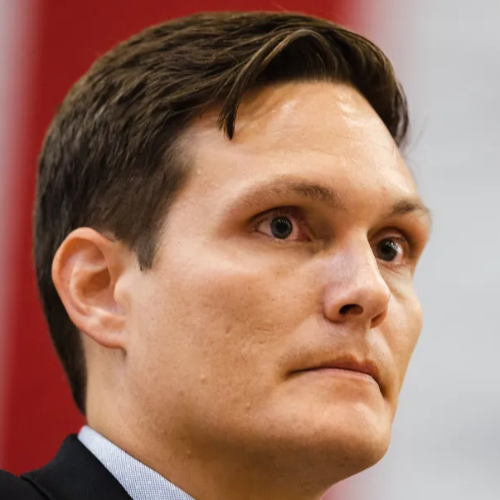
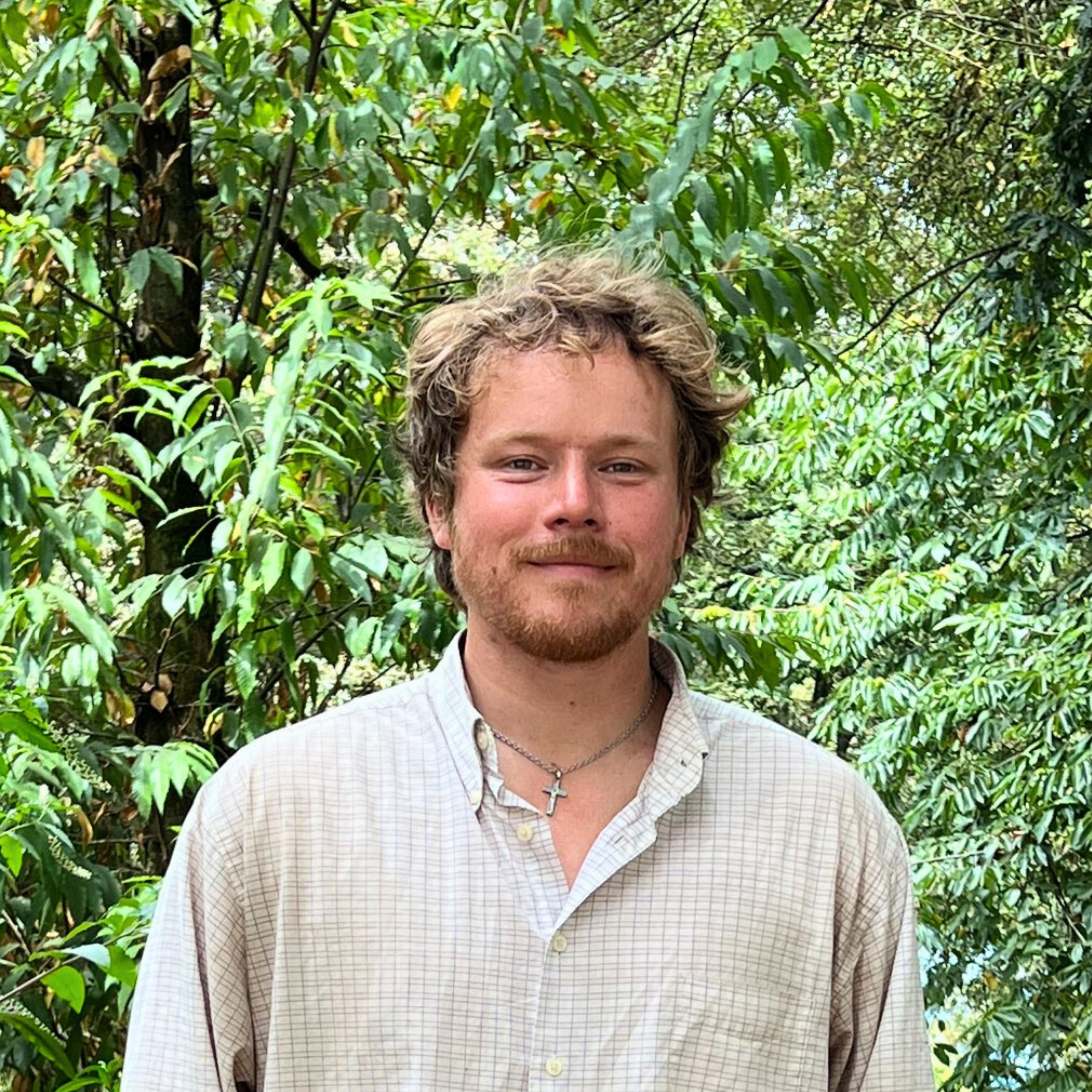
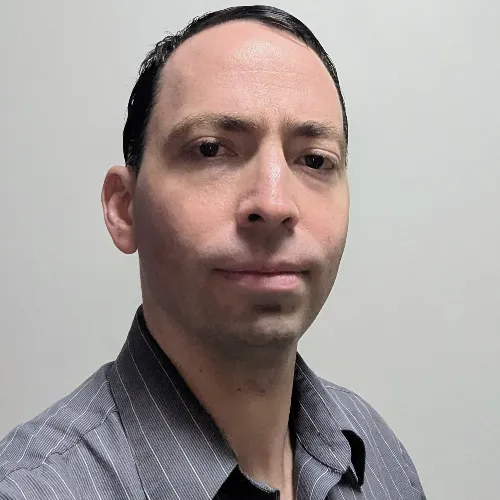
US House District 4
US House members (representatives/congressmen) are elected to two-year terms to represent specific districts by drafting, voting on, and passing federal legislation, serving on committees, and conducting constituent services. They hold exclusive powers to initiate revenue (tax) bills, impeach federal officials, and elect the president if no candidate wins the Electoral College.
Key Responsibilities
- Legislative Function: Introducing bills and resolutions, proposing amendments, and debating on the House floor.
- Committee Work: Serving on committees (e.g., Appropriations, Judiciary) to examine, amend, and “mark up” legislation before it goes to the full House.
- Constituent Services/Representation: Meeting with constituents to discuss concerns, conducting town halls, assisting with federal agencies, and touring their home districts.
- Fiscal Oversight: Initiating all tax and spending bills to set federal budget policy.
- Impeachment Power: Holding the exclusive authority to initiate impeachment proceedings against federal officers.
- Electoral Duty: Electing the president if the Electoral College fails to produce a majority.


State School Board District 11
Utah State Board of Education (USBE) members are 15 elected officials who exercise general control and supervision over public education. They set state core standards, establish educator licensing policies, and determine high school graduation requirements. They also manage state/federal funding distribution and appoint the State Superintendent.
Key Responsibilities
- Strategic Governance: Establishing state-level policies for public schools and the Utah Schools for the Deaf and the Blind (USDB).
- Fiscal Oversight: Distributing over a billion in state and federal funds to local school districts and charter schools.
- Academic Leadership: Defining Utah’s core academic standards and graduation requirements.
- Licensing and Compliance: Setting educator licensing policies and ensuring schools meet statutory requirements.
- Board Action and Representation: Reviewing data to inform decisions, engaging in board deliberations, and acting as ambassadors for school communities.
- Fiscal Accountability: Allocating, budgeting, authorizing funds, monitoring expenditures.
Members are elected from specific geographic areas to four-year terms.
As of 2026, Utah State Board of Education District 11 is represented by Cindy Davis and primarily covers northern Utah County, including the cities of American Fork, Alpine, Lehi, and Bluffdale. Schools within this district are largely part of the Alpine School District, which is currently transitioning its boundary structures.
- Aspen Peaks School District (Central): Includes Alpine, American Fork, Cedar Hills, Highland, Lehi, and the Utah County portion of Draper.
- Lake Mountain School District (West): Includes Cedar Fort, Eagle Mountain, Fairfield, Saratoga Springs, and unincorporated areas west of Lehi.
- Timpanogos School District (South): Includes Lindon, Orem, Pleasant Grove, and Vineyard.